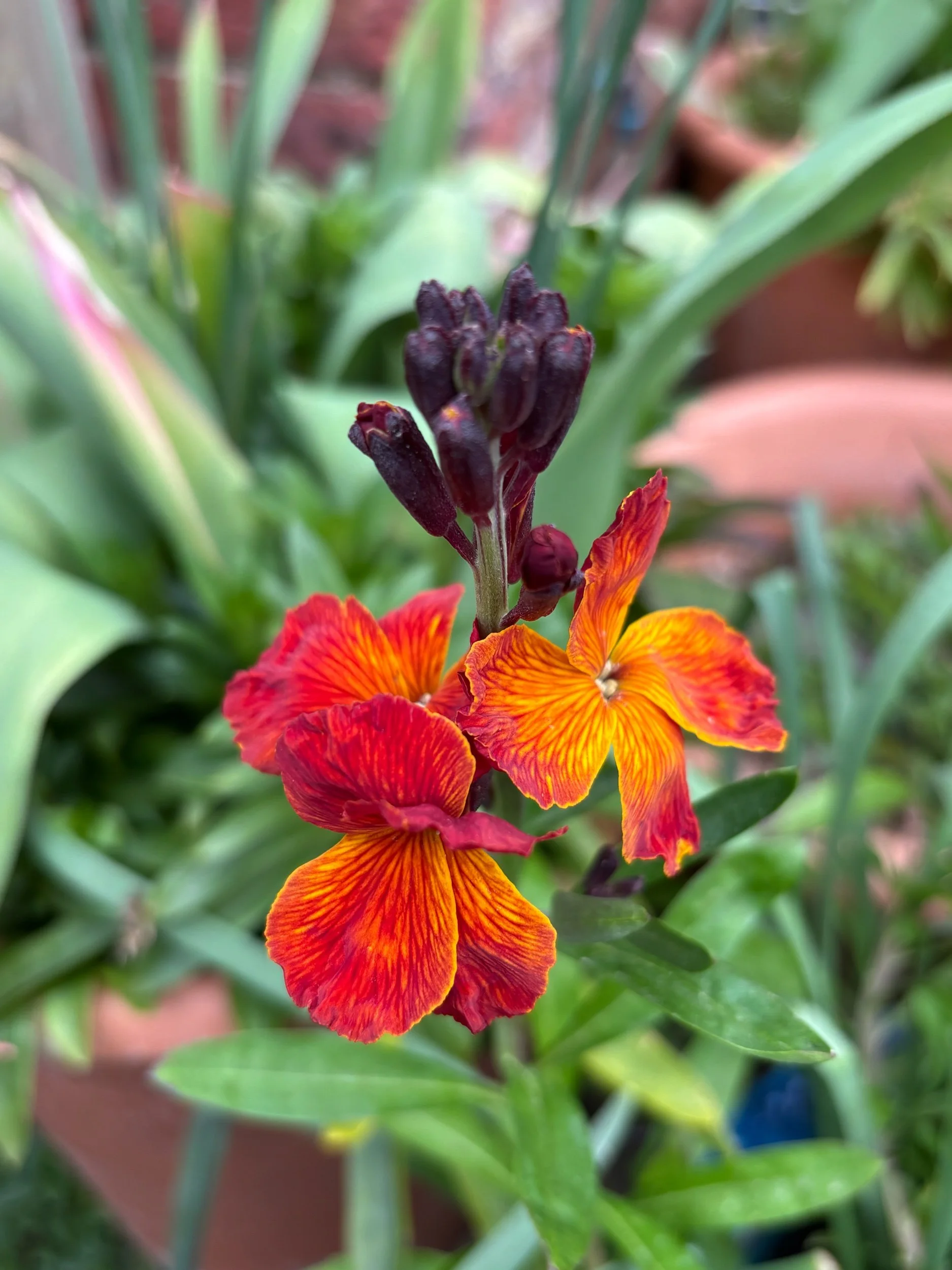
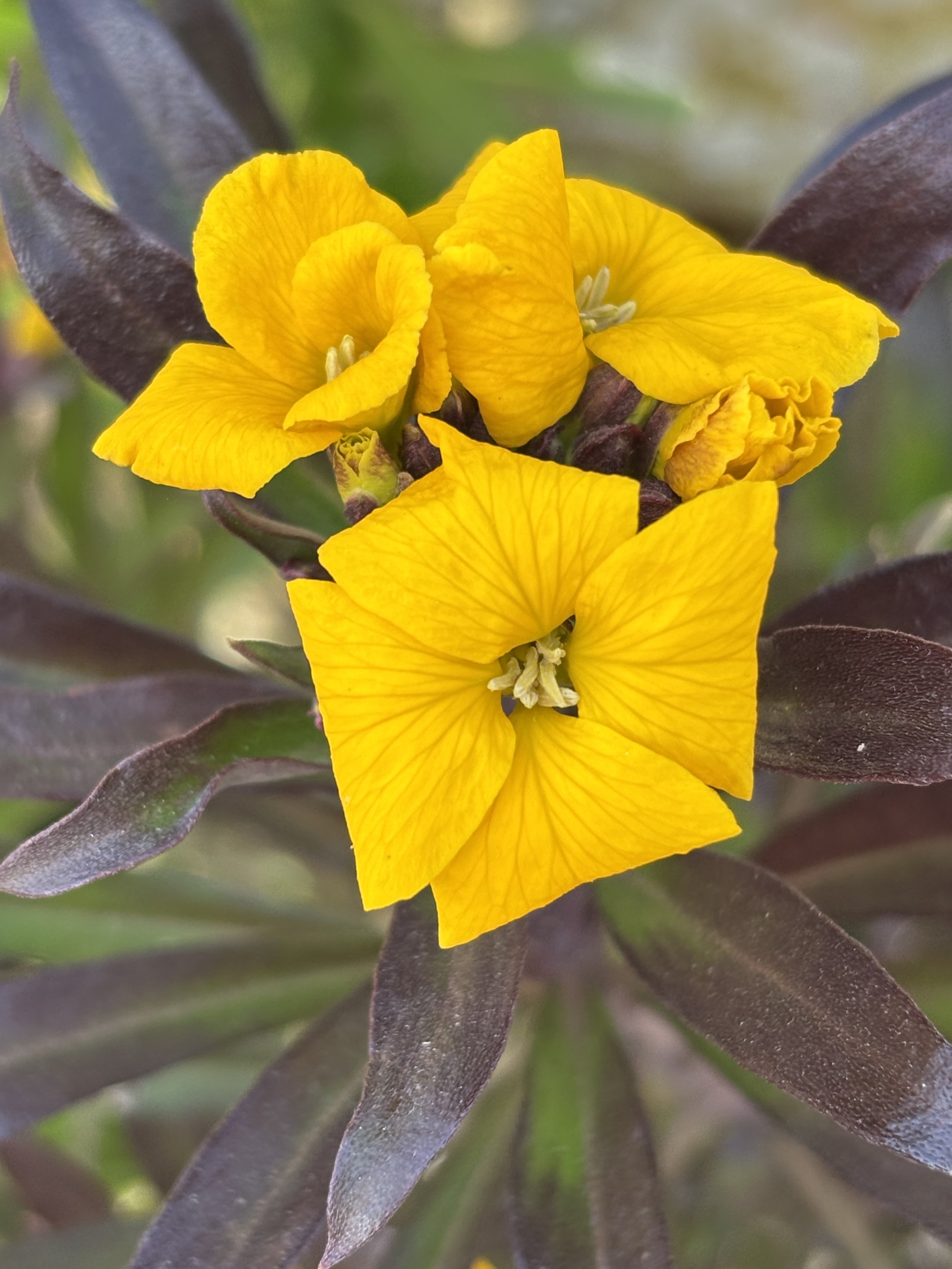
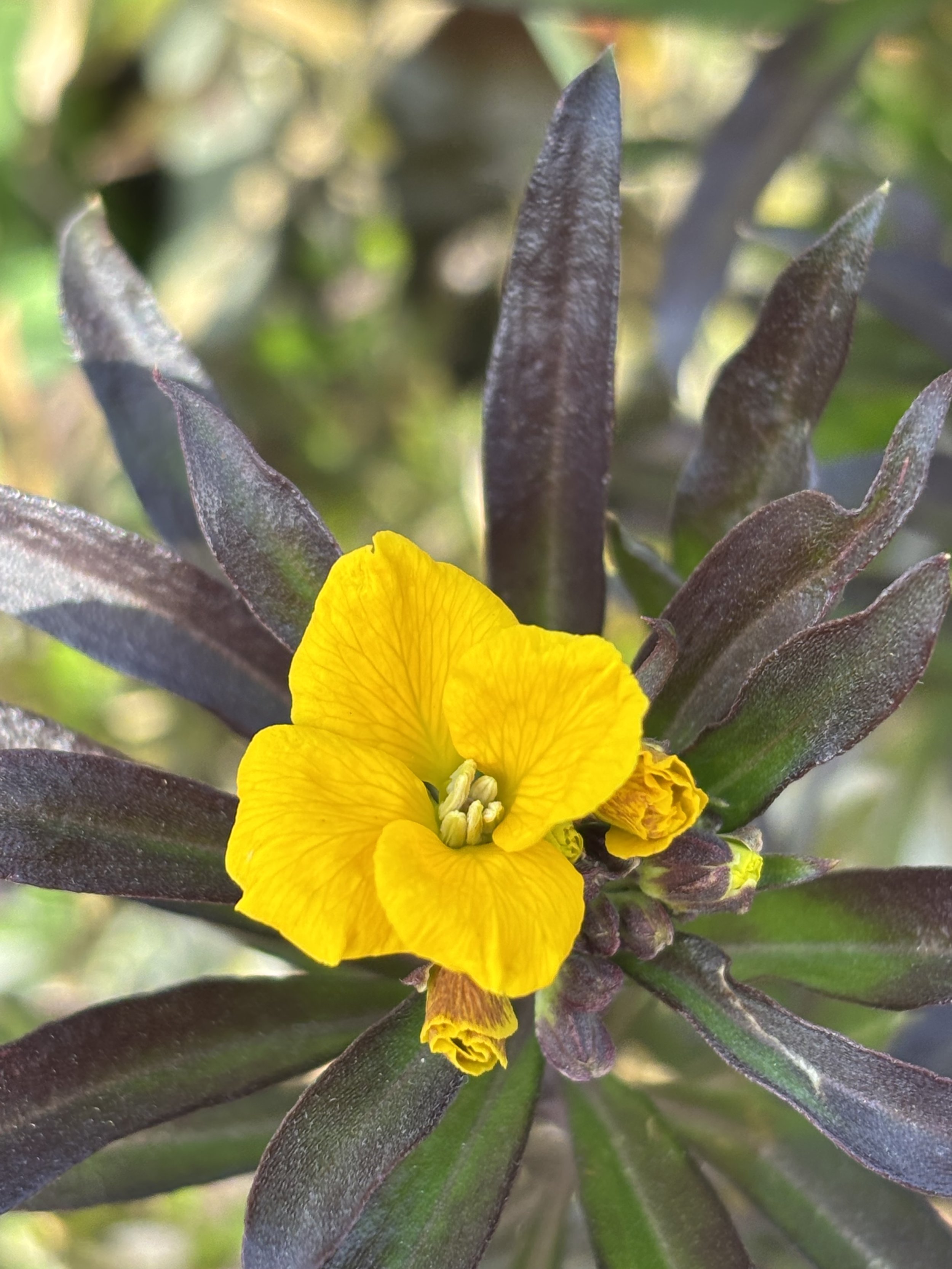
 Image 1 of 2
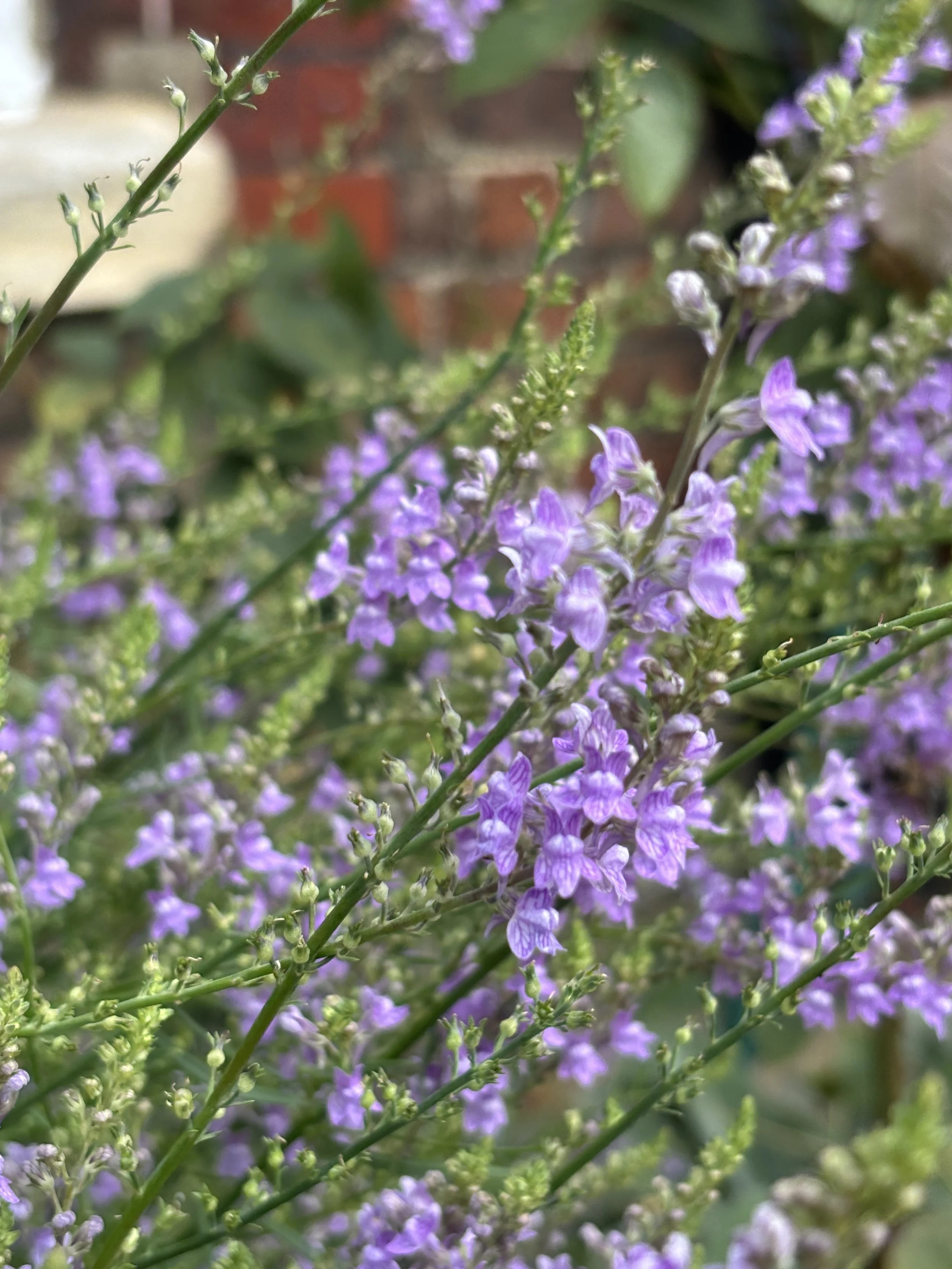 Image 2 of 2
Flowers: June–September
Height: Approx. 60–90cm
Position: Full sun
Seeds: Approx 30
Hardiness: Hardy perennial
Good for: Bees and pollinators, cottage gardens, naturalistic planting and cut flowers
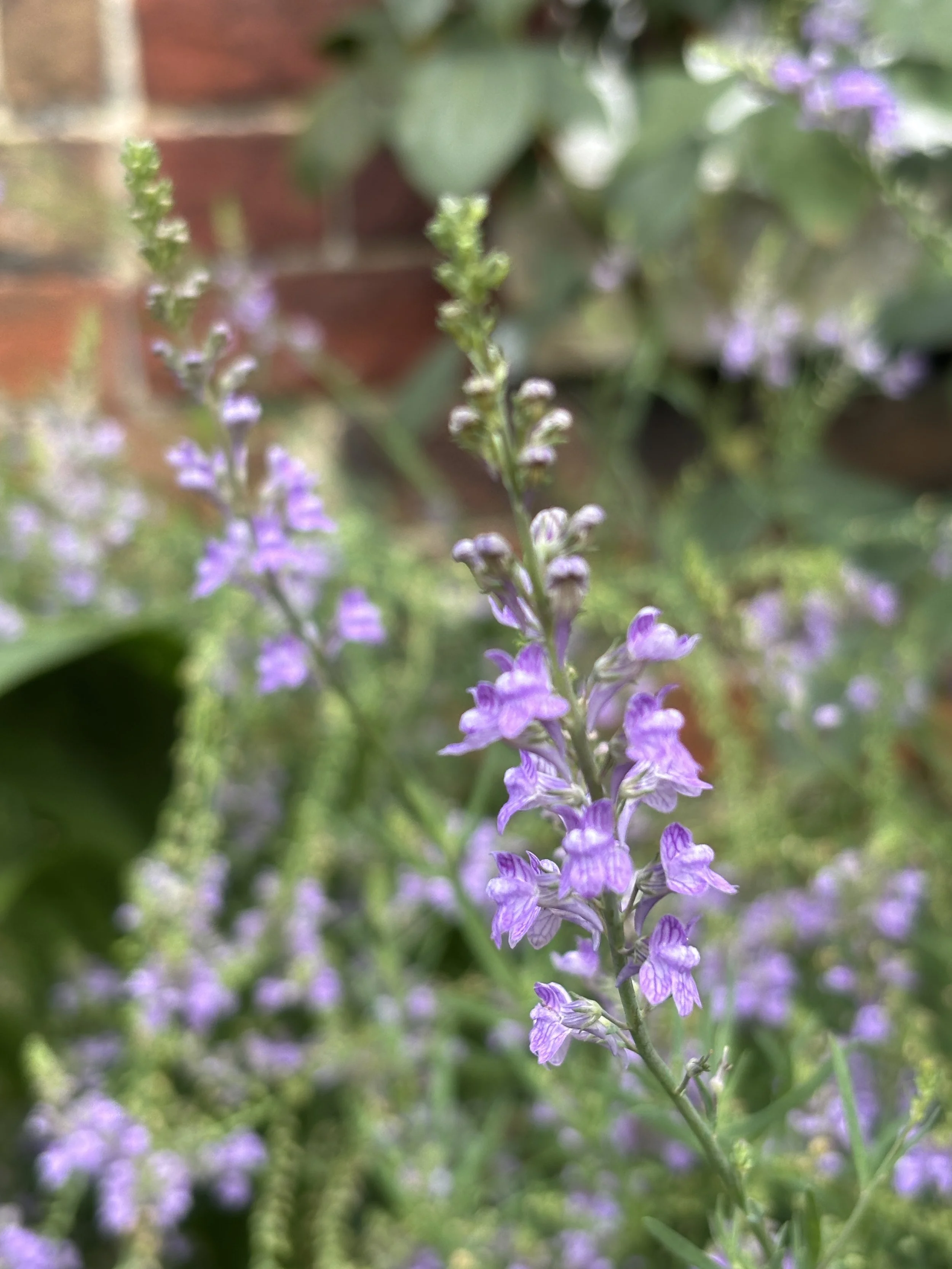
Tall, elegant spires of rich violet-purple flowers rise above fine, slender foliage, creating a wonderfully airy effect in borders and naturalistic planting. Linaria purpurea is a beautiful, easy-going perennial that flowers for months and is particularly attractive to bees and other pollinators.
It is a short-lived perennial but readily self-seeds, often returning year after year.
Sowing: Sow March–May or August–October. Sow thinly onto the surface of moist seed compost and cover very lightly. Alternatively, sow directly where plants are to flower. Keep moist until established.
Growing: Prefers a sunny position in well-drained soil. Thin or transplant seedlings as necessary. Plants may be cut back after flowering to encourage further blooms, or leave some flower spikes to set seed and naturalise.
SEED SAVING
Allow a few flowers to mature fully and collect the seed once it is ripe and dry. Store somewhere cool, dry and labelled.
Grown, harvested and packed by Missenden Seeds in the Chiltern Hills. Open-pollinated and grown without chemical pesticides or peat.
Flowers: June–September
Height: Approx. 60–90cm
Position: Full sun
Seeds: Approx 30
Hardiness: Hardy perennial
Good for: Bees and pollinators, cottage gardens, naturalistic planting and cut flowers
Tall, elegant spires of rich violet-purple flowers rise above fine, slender foliage, creating a wonderfully airy effect in borders and naturalistic planting. Linaria purpurea is a beautiful, easy-going perennial that flowers for months and is particularly attractive to bees and other pollinators.
It is a short-lived perennial but readily self-seeds, often returning year after year.
Sowing: Sow March–May or August–October. Sow thinly onto the surface of moist seed compost and cover very lightly. Alternatively, sow directly where plants are to flower. Keep moist until established.
Growing: Prefers a sunny position in well-drained soil. Thin or transplant seedlings as necessary. Plants may be cut back after flowering to encourage further blooms, or leave some flower spikes to set seed and naturalise.
SEED SAVING
Allow a few flowers to mature fully and collect the seed once it is ripe and dry. Store somewhere cool, dry and labelled.
Grown, harvested and packed by Missenden Seeds in the Chiltern Hills. Open-pollinated and grown without chemical pesticides or peat.