
When to Sow Sweet Peas in the UK: Autumn or Spring?
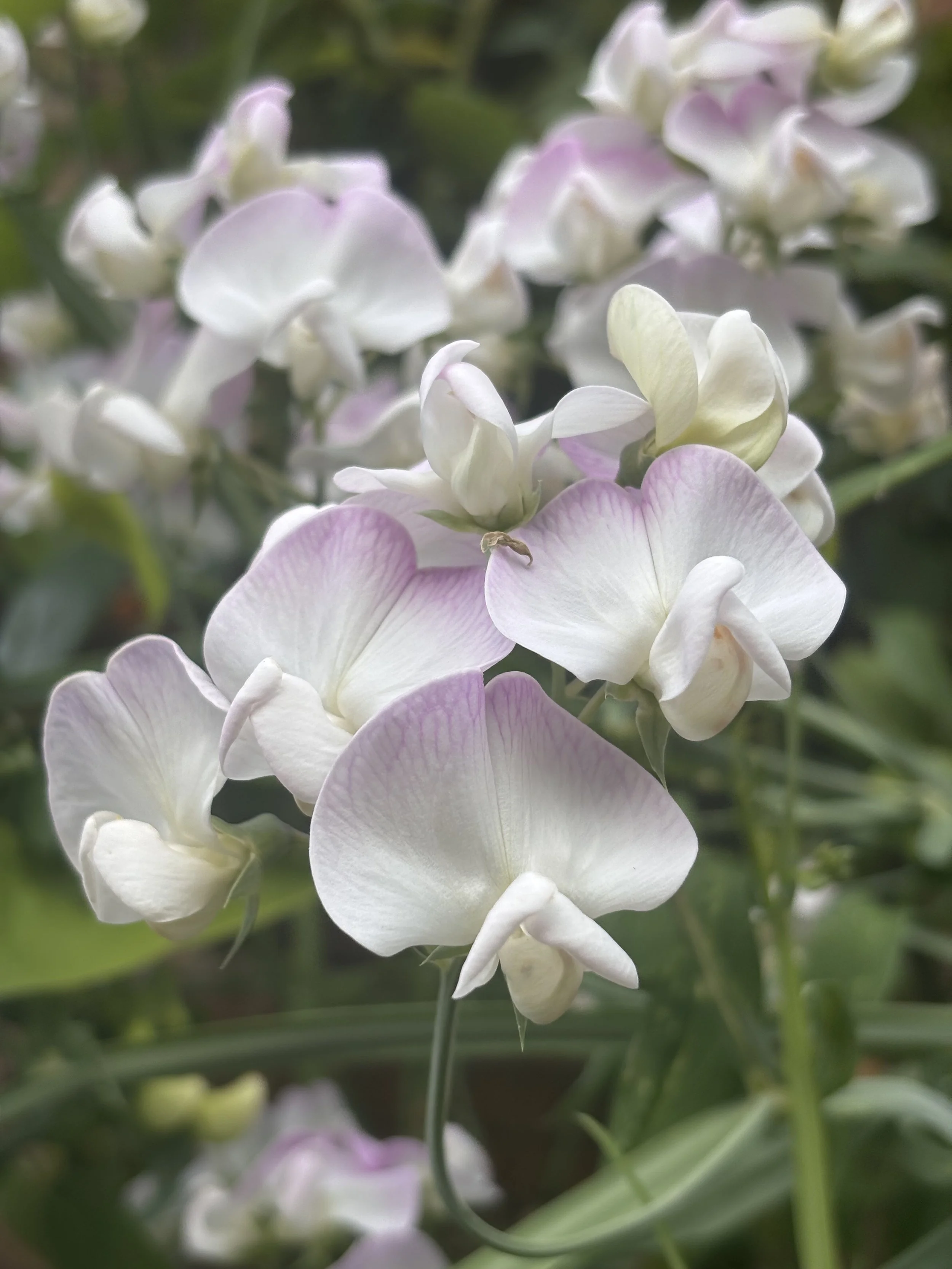
Perennial Sweet Pea “Pink Pearl”
Is it better to sow sweet peas in autumn or wait until spring? Both methods have their advantages, and a little careful timing can make all the difference to the number of flowers you enjoy.
Sweet peas are one of my absolute favourite flowers to grow. Their fragrance is wonderful, they're excellent for cutting, and there are so many beautiful varieties to choose from, particularly some of the older heritage varieties.
One of the questions I'm often asked is when to sow them. You'll find plenty of advice suggesting that autumn sowing produces the strongest plants and earliest flowers, but is that always the case? Here I’m going to bring you into a secret…I DON’T autumn sow my sweet peas. That doesn’t mean though that you shouldn’t and I’ll explain why below:
When is the best time to sow sweet peas?
In most parts of the UK, there are two main sowing periods:
October to November: Autumn sowing, with young plants overwintered somewhere cool and protected.
January to April: Winter and spring sowing, with plants grown on before planting out.
Autumn-sown plants have a head start and may flower earlier, but they need protection from prolonged freezing conditions, waterlogging, slugs and hungry mice.
Spring sowing is often simpler and can still produce strong, healthy plants that flower beautifully throughout the summer.
The advantages of autumn sowing
Sweet peas are hardy annuals, and they naturally thrive in cool growing conditions. Sowing in October or November allows the plants to establish a good root system before winter. Although growth slows considerably during the coldest months, the roots can continue developing whenever conditions are favourable. By spring, autumn-sown plants may already have a substantial root system, giving them an advantage over newly germinated seedlings.
There are, however, a few things to remember.
Young plants don't particularly enjoy sitting in cold, saturated compost. They need good drainage, plenty of light and some protection from the worst winter weather.
An unheated greenhouse or cold frame is ideal, although plants may need additional protection during prolonged severe frosts.
The aim is to keep them growing slowly and steadily.
Why spring sowing can be just as good
If you don't have a greenhouse or cold frame, there's absolutely no need to worry about missing the autumn sowing window. Sweet peas germinate readily in late winter and early spring, and plants sown in February or March can catch up remarkably quickly as the days lengthen.
Spring-sown plants are also less likely to suffer the problems associated with overwintering, such as rotting roots or damage from slugs and mice.
How to sow sweet pea seeds
Sweet peas are relatively straightforward to germinate, provided the compost is not too wet.
1. Choose a deep container
Sweet peas develop long roots quite quickly, so deep pots or root trainers are useful. Ordinary pots will also work, provided they offer sufficient depth.
2. Sow the seeds
Fill your pots with a good-quality, free-draining seed compost and sow the seeds approximately 2–3cm deep.
There's generally no need to soak sweet pea seeds before sowing. Fresh, viable seeds should germinate perfectly well without any special treatment.
3. Keep them at a suitable temperature
A temperature of around 15–18°C is ideal for germination. Avoid excessive heat, particularly once the seedlings have emerged.
4. Move seedlings into good light
Once germinated, sweet peas need plenty of light and relatively cool conditions. A warm windowsill can quickly produce weak, leggy seedlings.
5. Protect them from mice and slugs
Mice absolutely love sweet pea seeds and can dig them out of pots before they have a chance to germinate. Slugs will also have a go at the young sweet pea seedlings.
Should you pinch out sweet peas?
Pinching out the growing tip is often recommended to encourage sweet peas to produce more side shoots. Once plants have developed three or four pairs of true leaves, you can remove the growing tip just above a pair of leaves. This encourages branching and can produce bushier plants with more flowering stems.
However, pinching out isn't essential. Sweet peas will still grow and flower perfectly well without it, and some growers prefer to leave the main stem intact. If you're growing a large number of plants, it's worth experimenting with both methods to see which produces the best results in your garden.
When should sweet peas be planted outside?
Sweet peas prefer cool conditions and can tolerate light frosts once established and properly hardened off. Autumn-sown plants can usually be planted outside in early spring when the soil is workable and not waterlogged. Spring-sown plants should be hardened off gradually before planting, particularly if they've been raised indoors or in a protected greenhouse.
Choose a sunny position with fertile, moisture-retentive but well-drained soil, and provide sturdy supports from the beginning. I tend to plant my sweet peas outside in early April or even March if they are looking strong.
Sweet peas are vigorous climbers and need tall supports once they start growing.
How to get more flowers from your sweet peas
Once established, sweet peas are wonderfully generous plants, but a little attention will keep them flowering for much longer.
Pick regularly. The more flowers you cut, the more the plants are encouraged to produce.
Don't let seed pods develop. Once plants begin producing mature seeds, flowering will gradually decline.
Water deeply during dry spells. Sweet peas dislike drying out, particularly when flowering heavily.
Provide plenty of support. Healthy plants can easily reach two metres or more.
Grow several varieties. Different varieties offer a wonderful range of colours, fragrances and flower forms.
Don't overlook heritage sweet peas
Although modern sweet peas can produce impressively large flowers, I have a particular fondness for older varieties.
Many have wonderful fragrance, interesting colour combinations and a slightly less formal appearance that suits cottage gardens beautifully.
Varieties such as 'Matucana', with its rich purple and maroon flowers, and the delicately coloured 'Painted Lady' have remained popular for generations. Growing these older varieties also helps keep some of our horticultural heritage alive.
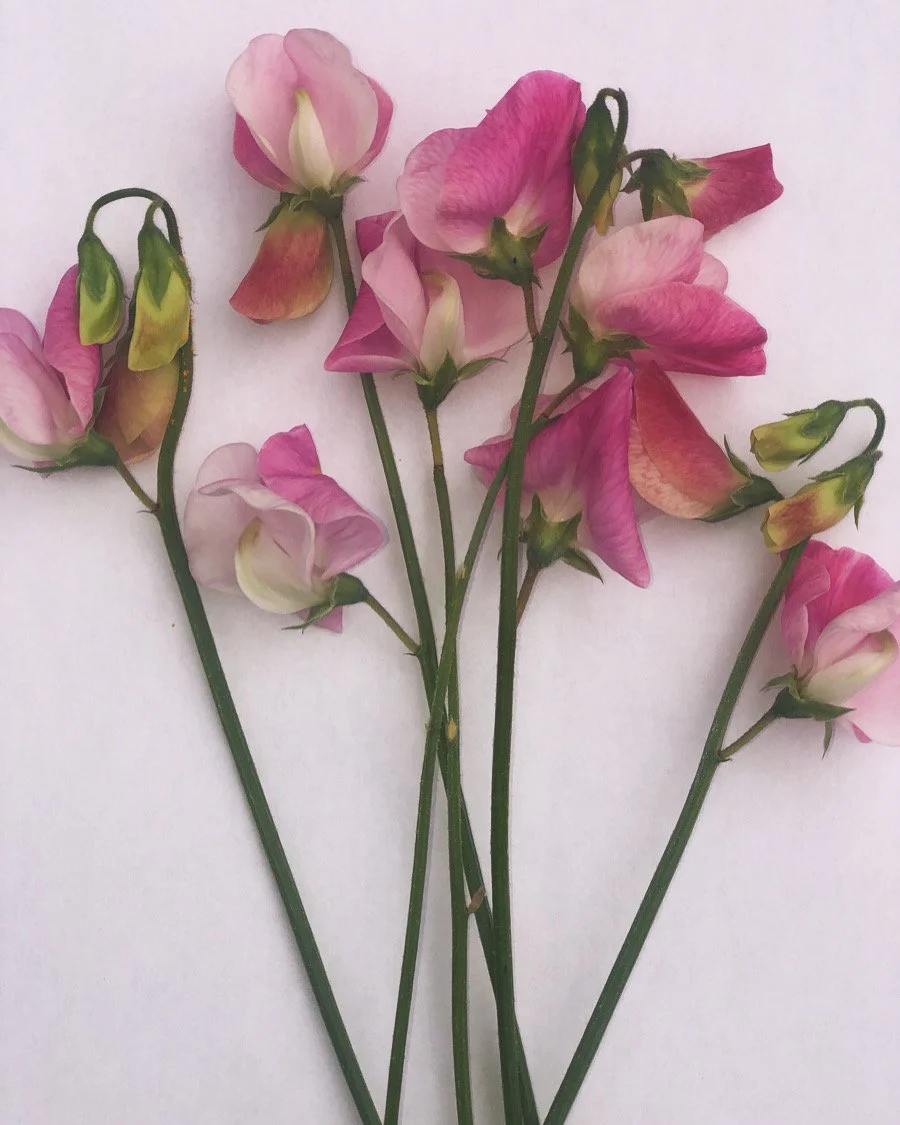
Sweet Pea “Painted Lady”
So, autumn or spring?
If you have an unheated greenhouse or cold frame, autumn sowing is certainly worth trying, particularly if you want early flowers. But if you prefer a simpler approach, sowing in February or March can produce equally beautiful plants.
My advice is to try both. Sowing a few plants in autumn and another batch in spring can help spread the flowering season and show you which method works best in your own garden.
Explore the Missenden Seeds collection of sweet pea seeds, including fragrant heritage varieties and unusual colours, all grown and harvested with care in the Chiltern Hills.
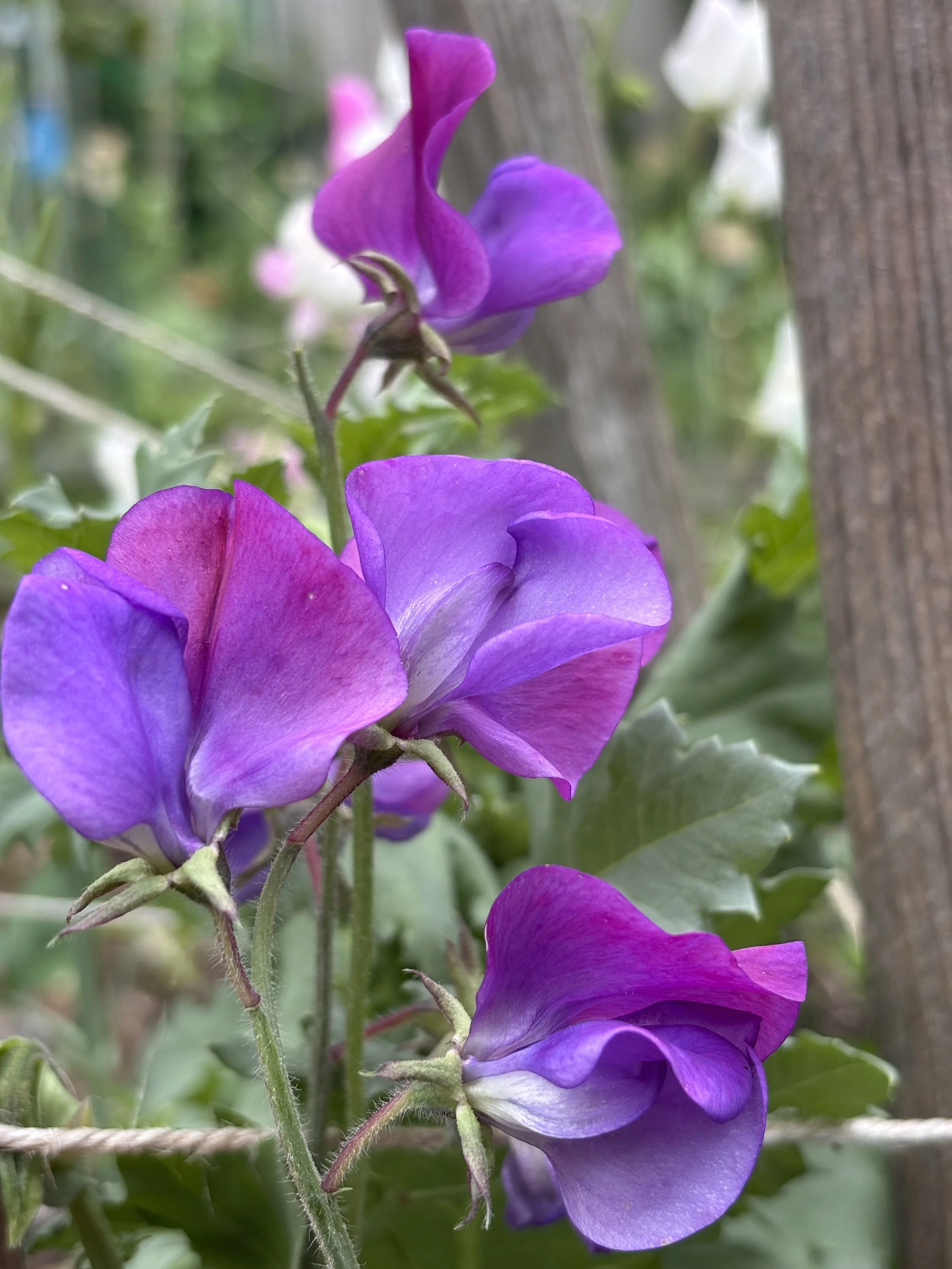
Sweet Pea “Matucana”